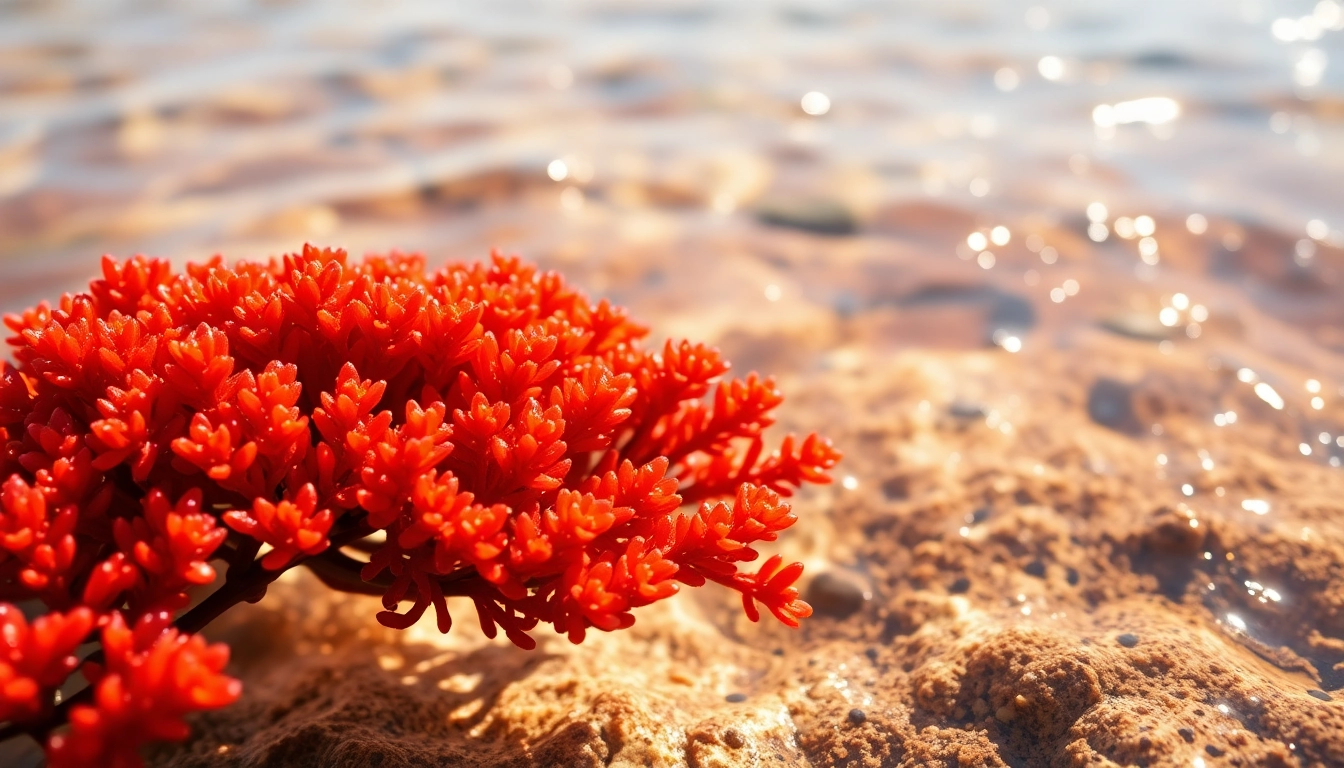
Understanding Astaxanthin
What is Astaxanthin?
Astaxanthin is a powerful carotenoid, a type of pigment found in various organisms, particularly in marine environments. It gives red coloration to many sea creatures, including salmon, flamingos, and shrimp. Astaxanthin is known not only for its vibrant color but also for its robust biological properties, particularly its role as a potent antioxidant. Unlike other carotenoids, astaxanthin stands out due to its ability to cross the blood-brain and blood-retinal barriers, which allows it to exert effects on the nervous system and visual health.
Types of Astaxanthin Sources
Astaxanthin is sourced both naturally and through synthetic methods. Natural sources predominantly include microalgae and some yeasts. The most notable source is the microalga Haematococcus pluvialis, which has been extensively studied for its high astaxanthin content. Other sources include red yeast and certain seafood, reflecting the nutrient’s diverse origins. Synthetic astaxanthin is produced in laboratories and is often used in aquaculture and food supplements; however, many health-conscious consumers prefer the natural variant for its purity and bioavailability.
Why Astaxanthin Matters for Health
The health benefits associated with astaxanthin continue to be a major area of research. Recognized as one of the most potent antioxidants, astaxanthin is believed to support cellular health by neutralizing harmful free radicals. Its unique structure allows it to offer protection without becoming oxidized itself. Additionally, it has implications for reducing inflammation, enhancing immune function, and promoting healthy skin, making it a valuable nutrient for holistic wellness.
Where Does Astaxanthin Come From?
Natural Sources of Astaxanthin
Natural astaxanthin predominantly derives from the microalgae Haematococcus pluvialis, particularly under stress conditions like high light exposure or nutrient deprivation. This microalga can produce astaxanthin in significant quantities, making it a key player in the market. Other natural sources include crustaceans like shrimp and krill, which obtain astaxanthin from consuming these algae. Fish, especially salmon, also showcase this antioxidant in their flesh due to their diet rich in astaxanthin-containing organisms. Therefore, understanding where does astaxanthin come from is crucial for appreciating its health benefits.
Man-Made vs. Natural Astaxanthin
The differences between natural and synthetic astaxanthin extend beyond production methods—they also encompass effectiveness and bioavailability. Natural astaxanthin is typically found to have superior bioactivity due to its complex interactions with other nutrients and its unaltered structures. Synthetic astaxanthin, developed in labs, may not provide the full spectrum of benefits associated with its natural counterpart, which can raise questions among consumers regarding efficacy.
The Role of Environment in Astaxanthin Production
The production of astaxanthin is highly influenced by environmental factors. In nature, astaxanthin production in microalgae can be triggered by changes in environmental stressors such as light intensity, temperature variations, and nutrient limitations. Farms cultivating algae for astaxanthin must replicate these conditions to optimize yield and quality. Conversely, artificial conditions can be finely tuned in lab settings to maximize production, though the resulting product may differ from that which is harvested from the wild.
Health Benefits of Astaxanthin
Antioxidant Properties
Astaxanthin is heralded for its powerful antioxidant capabilities, making it effective in combating oxidative stress. Research suggests that astaxanthin is significantly more effective than vitamin C and vitamin E at neutralizing free radicals. By reducing oxidative damage, astaxanthin may play a crucial role in preventing chronic diseases such as cancer, cardiovascular diseases, and age-related disorders, thus supporting overall health.
Skin Health and Astaxanthin
Astaxanthin’s application in skin health is gaining traction, as studies indicate that it can improve skin elasticity and hydration. Topical applications and nutrient supplementation have shown promise in reducing signs of aging, such as wrinkles and fine lines. This occurs through improved moisture retention and enhanced dermal blood flow, significantly benefitting UV-exposed skin.
Cardiovascular Support
Research indicates that astaxanthin can promote cardiovascular health by improving lipid profiles and reducing oxidative stress. It aids in enhancing blood flow and lowering cholesterol levels, which collectively contribute to a healthier heart. Moreover, astaxanthin may support endothelial cell function, essential for maintaining vascular health, ultimately helping to mitigate risks associated with heart disease.
How to Incorporate Astaxanthin into Your Diet
Best Astaxanthin-Rich Foods
If you’re looking to enrich your diet with astaxanthin, consider incorporating salmon, trout, and shrimp, which are well-known for their high levels of this carotenoid. Additionally, consuming algae-based products or supplements derived from Haematococcus pluvialis can provide significant amounts of natural astaxanthin. Another excellent plant-based option includes certain types of red yeast.
Supplement Options
Astaxanthin supplements are widely available in both capsule and liquid form. When choosing a supplement, it’s essential to look for products that specify their source, ideally from natural microalgae, to ensure quality. Additionally, look for third-party testing on labels to confirm purity and efficacy. The recommended dosage varies, but many studies suggest a range between 4 to 12 mg daily for health benefits.
Dosage and Safety Considerations
While astaxanthin is considered safe for most people, it’s essential to consult with a healthcare provider, especially if you’re pregnant, nursing, or have underlying conditions. Common side effects are minimal but may include gastrointestinal upset. Adhering to recommended dosages can optimize benefits and minimize potential risks.
Future of Astaxanthin Research
Trends in Astaxanthin Studies
Astaxanthin research is currently diversifying, with ongoing studies exploring its potential in various health domains, including cognitive function, metabolic syndrome, and athletic performance. New delivery methods, like nanoencapsulation, seek to enhance its absorption and effectiveness, with promising preliminary results indicating the potential for greater bioavailability.
Potential New Applications
As research evolves, astaxanthin’s applications could expand beyond dietary supplements and skincare. Emerging studies are examining its potential benefits in sports nutrition, neuroprotection, and anti-aging therapies. Its efficacy in stress management and fatigue reduction in athletes positions it as a valuable addition to health and wellness regimens.
Implications for Health and Wellness
With continuing research into astaxanthin’s health benefits, it holds the potential to emerge as a cornerstone in preventative healthcare. By mitigating oxidative stress and enhancing cellular health, astaxanthin could play a significant role in developing strategies to combat chronic illnesses and enhance overall well-being.
Frequently Asked Questions
What foods are rich in astaxanthin?
Salmon, trout, and shrimp are excellent sources of astaxanthin, as well as certain algae and red yeast. Incorporating these foods can help boost your astaxanthin intake.
Is astaxanthin safe to take?
Yes, astaxanthin is generally safe for most individuals when taken within the recommended dosage. Consult a healthcare provider for personalized guidance.
How does astaxanthin benefit the skin?
Astaxanthin may improve skin elasticity, hydration, and reduce signs of aging by enhancing moisture retention and providing UV protection.
Can astaxanthin enhance athletic performance?
Research suggests that astaxanthin can potentially improve endurance and reduce exercise-induced fatigue, making it a popular supplement among athletes.
How much astaxanthin should I take daily?
Most studies suggest a daily dosage between 4 to 12 mg for general health benefits. Always consult with a healthcare provider for specific advice.