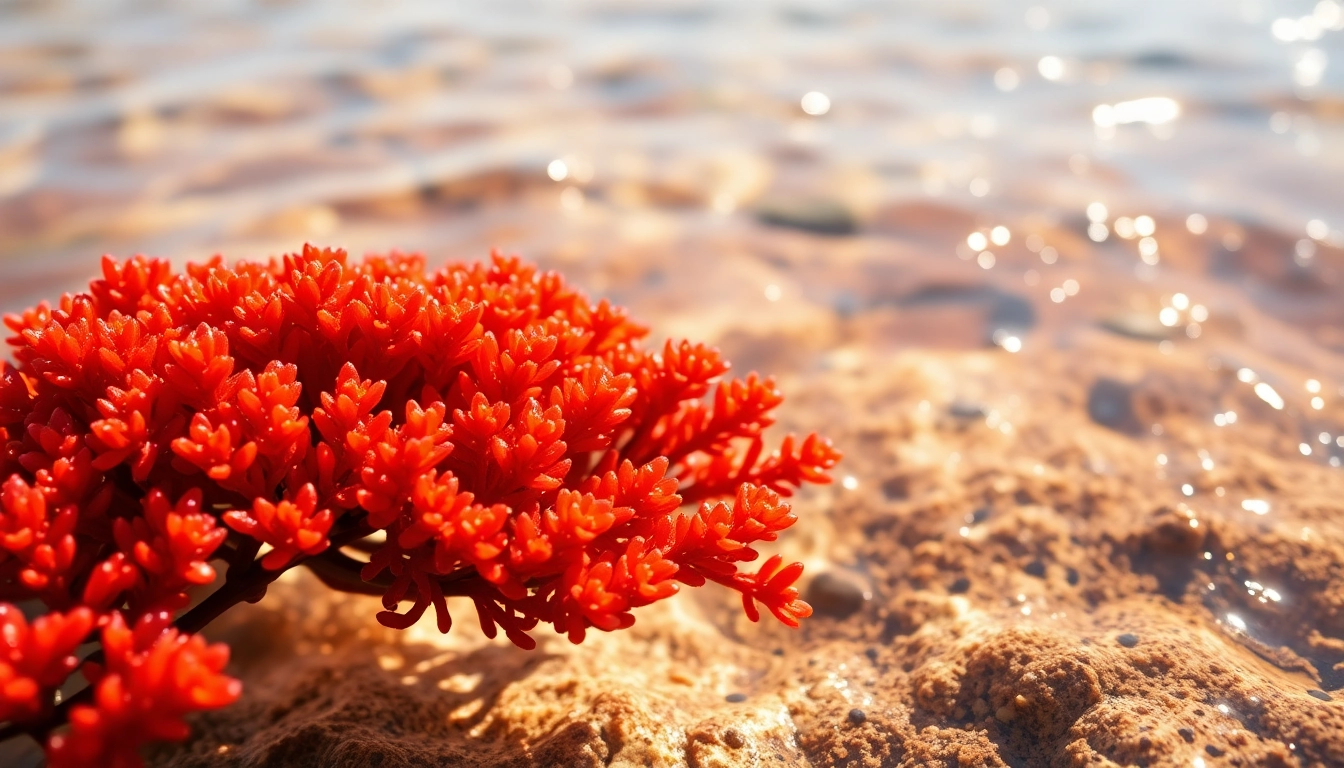
Understanding Astaxanthin: A Brief Introduction
What is Astaxanthin?
Astaxanthin is a powerful carotenoid pigment found predominantly in marine organisms. Known for its vivid red and orange hues, astaxanthin plays a crucial role in the food chain, offering protection from ultraviolet light and oxidative stress. It belongs to the carotenoid family, which includes other well-known pigments like beta-carotene. Unlike most carotenoids, astaxanthin’s unique molecular structure grants it superior antioxidant properties, making it a point of interest for health enthusiasts and researchers alike.
Significance of Astaxanthin in Nature
In nature, astaxanthin serves various significant functions, particularly in aquatic ecosystems. For example, it provides color to krill, salmon, and flamingos, among others. Its antioxidant properties not only protect these organisms from harmful environmental stresses but also contribute to their health and vibrancy. Astaxanthin’s role in photosynthesis helps algae thrive while converting sunlight into energy, ultimately supporting marine food webs and enriching our oceans.
Health Benefits of Astaxanthin
The health benefits of astaxanthin extend far beyond its appeal as a colorant. Numerous studies have demonstrated its effectiveness in enhancing athletic performance, reducing inflammation, and boosting immune function. Additionally, astaxanthin is noted for its potential in supporting skin health, enhancing skin elasticity, and protecting against UV damage. With such a wide range of benefits, it is natural to ask where does astaxanthin come from as it becomes increasingly popular in dietary supplements and cosmetics.
Natural Sources of Astaxanthin
Marine Sources: Where Does Astaxanthin Come From?
Marine ecosystems are the primary sources of astaxanthin. It is predominantly found in microalgae, which form the basis of the aquatic food web. Notably, Haematococcus pluvialis, a green microalga, is one of the richest natural sources of astaxanthin. Through a process called astaxanthin synthesis, these microalgae convert sunlight into this potent antioxidant, making it bioavailable to marine creatures who consume them, such as shrimp, salmon, and trout.
Algal and Microbial Contributions
Astaxanthin can also be sourced from various types of algae and some yeast species. In addition to Haematococcus pluvialis, species like Chlorella zofingiensis and certain bacteria contribute to the astaxanthin pool. These microorganisms harness sunlight and nutrients to produce astaxanthin, which is essential for their survival and reproduction. Such natural sources are being studied extensively for their potential in bio-manufacturing.
Human-Cultivated Sources of Astaxanthin
Due to its health benefits, the demand for astaxanthin has paved the way for its cultivation through aquaculture and biotechnology. Commercial farms often utilize algae cultures that are managed under controlled conditions to maximize yield. The controlled environment ensures optimal growth while enhancing the concentration of astaxanthin, making it an accessible option for dietary supplements and health products worldwide.
Production Methods of Astaxanthin
Extraction from Natural Sources
The extraction of astaxanthin from natural sources involves several methods, primarily focusing on efficiency and purity. Common extraction techniques include solvent extraction, supercritical fluid extraction, and enzymatic hydrolysis. Each method has its pros and cons regarding cost, environmental impact, and yield quality. Supercritical CO2 extraction, for example, is often favored for its efficiency and preservation of the astaxanthin’s integrity.
Synthetic Production Techniques
Synthetic production of astaxanthin is an alternative to natural extraction methods. This process typically involves chemical synthesis to create astaxanthin from simpler organic compounds. While synthetic astaxanthin can be produced more cost-effectively and on a large scale, concerns remain regarding its bioavailability and efficacy compared to its natural counterpart. As research continues, the industry is actively exploring both avenues for Sustainability and effectiveness.
Comparing Natural vs. Synthetic Astaxanthin
The debate around natural versus synthetic astaxanthin hinges on bioavailability, efficacy, and environmental impact. Natural astaxanthin, derived from microalgae, is often believed to be more effective due to additional nutrients that come along with it in whole food forms. However, synthetic versions offer advantages in terms of scalability and cost. Understanding these differences is crucial for consumers, especially those seeking the best results in health enhancements.
Applications of Astaxanthin in Health and Industry
Astaxanthin in Nutraceuticals
As a significant player in the nutraceutical market, astaxanthin is commonly found in dietary supplements aimed at promoting overall wellness. It is marketed for its antioxidant properties, which can fight free radicals, support skin health, and enhance athletic performance. Research has revealed that including astaxanthin in daily diets may help mitigate the effects of aging and promote better eye health.
Use in Cosmetics and Skincare
The skincare industry has embraced astaxanthin for its powerful anti-aging properties. Used in facial creams, serums, and other products, it helps protect the skin from UV damage through its profound antioxidant potential. By reducing oxidative stress, astaxanthin can improve skin elasticity and overall appearance, making it a desirable ingredient in high-end beauty products.
Role in Aquaculture and Animal Feed
In the aquaculture industry, astaxanthin plays a vital role in enhancing the pigmentation of farmed fish and shellfish. By incorporating astaxanthin into animal feed, aquaculture producers can ensure that their products maintain the vibrant colors that consumers expect. Additionally, astaxanthin’s health benefits promote better growth rates and overall fish health, making it a crucial dietary additive in aquaculture.
Future Trends and Research on Astaxanthin
Innovative Research Directions
Future research on astaxanthin is expected to delve deeper into its molecular mechanisms and potential therapeutic applications. Studies are underway to uncover how astaxanthin can mitigate conditions such as neurodegenerative diseases, cardiovascular health issues, and diabetes, as the scientific community begins to unravel its complexities.
Market Growth Trends
The astaxanthin market is poised for significant growth, spurred by increasing consumer awareness regarding health supplements and their benefits. As health-conscious consumers drive demand, various sectors, including sports nutrition and natural cosmetics, are expected to expand their offerings, leading to greater innovations and more products featuring astaxanthin.
Consumer Awareness and Education Efforts
Consumer awareness is a critical factor in the future prospects of astaxanthin. Education about its benefits and sources will play a vital role in driving demand and usage. Manufacturers and health professionals are encouraged to engage in initiatives that promote knowledge around astaxanthin’s origins, health benefits, and applications, empowering informed choices among consumers.
Frequently Asked Questions
What foods are high in astaxanthin?
Astaxanthin is primarily found in marine sources, particularly in salmon, shrimp, and krill, as well as in certain microalgae.
Is astaxanthin safe to consume?
Astaxanthin is generally considered safe when taken in appropriate doses; however, it’s advisable to consult a healthcare professional before starting any new supplement.
Can astaxanthin help with skin health?
Yes, astaxanthin has potent antioxidant properties that can help protect and improve skin health by reducing UV damage and promoting elasticity.
How does astaxanthin compare to other antioxidants?
Astaxanthin is unique among antioxidants due to its potent free radical scavenging ability, which is significantly stronger than that of vitamin E and other common antioxidants.
Where can I find astaxanthin supplements?
Astaxanthin supplements are widely available online and in health stores. Look for reputable brands that use natural astaxanthin sourced from algae.