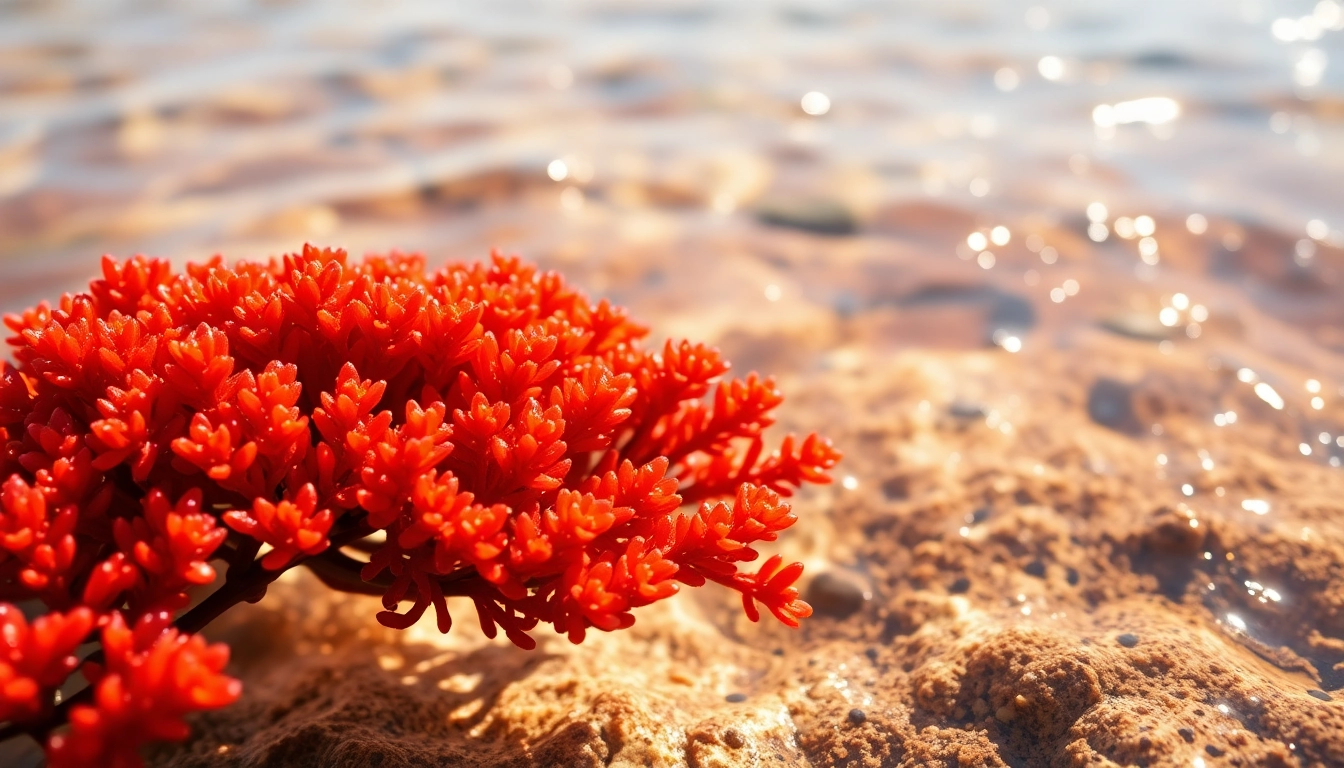
Understanding Where Does Astaxanthin Come From
Astaxanthin is a powerful carotenoid with a variety of health benefits, but do you know where does astaxanthin come from? This natural pigment boasts antioxidant properties that surpass many others, making it a sought-after ingredient in health supplements, skincare products, and food sources. Understanding its origins is essential for anyone looking to harness its benefits, as it highlights the environmental and nutritional significance of this remarkable compound.
The Natural Sources of Astaxanthin
Astaxanthin is predominantly sourced from microalgae, crustaceans, and certain fish species. The most notable natural source is the microalga Haematococcus pluvialis, which contains up to 4% of its dry weight in astaxanthin. This green microalgae grows in freshwater environments and is subjected to stress conditions, such as intense sunlight, which promote astaxanthin production as a protective mechanism. Other sources of astaxanthin include:
- Crustaceans: Shrimp, krill, and lobster obtain astaxanthin from consuming algae and plankton.
- Fish: Salmon, trout, and red snapper are known for their pinkish hue, attributed to their diet rich in astaxanthin.
These natural sources contribute not only to the pigmentation of various marine life but also to the nutritional value they provide to humans who consume these foods.
Key Benefits of Astaxanthin Extraction
The extraction of astaxanthin from its natural sources comes with numerous benefits. First, astaxanthin is known for its anti-inflammatory and antioxidant properties, which help in reducing oxidative stress in the body. When extracted from microalgae, it provides a highly concentrated source that can easily be incorporated into supplements. This extraction also ensures:
- Bioavailability: The process of extraction enhances the body’s ability to absorb astaxanthin, making supplements more effective.
- Purity: High-quality extraction methods ensure that the resultant product is free from harmful contaminants, thereby promoting health safety.
- Sustainability: Harvesting astaxanthin from algae supports eco-friendly practices since algae can be cultivated in controlled environments with minimal environmental impact.
The Role of Algae in Astaxanthin Production
Algae play a pivotal role in astaxanthin production, primarily through two types: microalgae and macroalgae. Microalgae, such as Haematococcus pluvialis, produce astaxanthin in response to stress, including high light exposure and nutrient depletion. These conditions lead to the synthesis of astaxanthin as a protective mechanism against UV radiation and oxidation.
This ability to synthesize astaxanthin makes microalgae an efficient source for astaxanthin extraction, offering many advantages:
- High Yield: Microalgae can produce significantly more astaxanthin per unit area compared to terrestrial crops.
- Fast Growth Rates: Algae can be cultivated rapidly, giving producers a consistent supply of astaxanthin.
- Minimal Resources Required: Algae cultivation typically requires less land, water, and fertilizers than traditional agricultural methods.
The Science Behind Astaxanthin Extraction
Methods of Extraction Explained
There are several methods for extracting astaxanthin from its natural sources, with the choice of method impacting the quality and purity of the final product. Common extraction techniques include:
- Solvent Extraction: This traditional method uses organic solvents like hexane or ethanol to dissolve astaxanthin. While effective, it may leave residual solvents that require further purification.
- Supercritical Fluid Extraction (SFE): Utilizing supercritical CO2, this method allows for efficient extraction of astaxanthin without organic solvents, leading to a purer product.
- Cold Press Extraction: This method uses mechanical pressure to extract oils from algae, preserving delicate compounds like astaxanthin and ensuring high quality.
Comparing Natural vs. Synthetic Sources
Astaxanthin can be sourced naturally or synthesized artificially. Natural astaxanthin, derived from microalgae, is generally preferred for its superior bioavailability and additional phytochemicals that enhance its antioxidant capacity. Synthetic astaxanthin, on the other hand, is often produced in laboratories and is considered less effective due to differences in molecular structure and absorption rates.
While synthetic astaxanthin can be produced more inexpensively, it lacks the complex range of benefits provided by its natural counterpart. Research supports the superiority of natural astaxanthin in terms of its efficacy and safety for health applications.
Quality Control in Astaxanthin Production
Ensuring high quality and purity in astaxanthin production is critical for beneficial health effects. Quality control measures encompass several approaches, including:
- Testing for Contaminants: Regular testing for heavy metals, pesticides, and microbial contamination ensures a safe product.
- Verification of Potency: Assaying astaxanthin content helps producers confirm that products meet label claims and maintain efficacy.
- Sustainable Sourcing Practices: Employing eco-friendly farming practices ensures long-term sustainability and environmental responsibility.
Astaxanthin’s Health Benefits Explored
How Astaxanthin Supports Overall Health
Astaxanthin contributes to overall health in a multitude of ways. As a potent antioxidant, it helps protect cells from oxidative damage, which is linked to various chronic diseases. This compound has shown promise in:
- Supporting cardiovascular health: Research suggests that astaxanthin can improve blood lipid profiles, enhancing heart health.
- Boosting immune function: Its anti-inflammatory properties have been associated with enhanced immune response.
- Improving cognitive function: Some studies have indicated that astaxanthin may contribute to cognitive health and protect against neurodegenerative conditions.
Astaxanthin in Sports Nutrition
In the realm of sports nutrition, astaxanthin has garnered attention for its potential to enhance athletic performance and recovery. It is believed to:
- Reduce muscle fatigue: Astaxanthin may help improve endurance by reducing oxidative stress during prolonged exercise.
- Accelerate recovery: By helping to decrease inflammation and promote muscle repair, astaxanthin supports quicker recovery post-exercise.
A number of athletes have integrated astaxanthin into their supplementation regimen, advocating for its benefits in both performance and recovery.
Skin Benefits of Astaxanthin
Astaxanthin is often heralded as a skincare powerhouse. Its antioxidant properties help protect the skin from UV-induced damage and premature aging. Benefits include:
- Reducing signs of aging: Astaxanthin has been shown to improve skin elasticity, hydration, and reduce the appearance of fine lines and wrinkles.
- Enhancing skin tone: Regular use can result in a more even, bright complexion, helping to combat issues like discoloration and age spots.
Numerous skincare products feature astaxanthin as a key ingredient, promoting its effectiveness and demand in the cosmetic industry.
Environmental Impact of Astaxanthin Sourcing
Eco-Friendly Methods of Farming Algae
The cultivation of algae for astaxanthin extraction can have significantly lower environmental impacts compared to traditional agriculture. Eco-friendly methods include:
- Closed-Loop Systems: These systems recirculate water and nutrients, minimizing waste and maximizing resource efficiency.
- Using Waste Streams: Algal farms can utilize agricultural runoff, effectively treating waste while producing valuable astaxanthin.
By integrating sustainable practices, the algae industry can flourish in harmony with environmental health.
The Future of Sustainable Astaxanthin Production
Looking ahead, sustainable astaxanthin production is pivotal in meeting the growing demand for natural supplements. Innovations in algae cultivation and extraction techniques promise to enhance productivity while reducing the ecological footprint. Projects focused on:
- Vertical Farming: Utilizing vertical space in urban environments can lead to more efficient land use.
- Genetic Engineering: Advancements in biotechnology could optimize algal strains for higher yields and faster growth.
This forward-thinking approach will pave the way for astaxanthin to remain a viable option in health and wellness.
Conservation Efforts in Aquaculture
As the popularity of astaxanthin grows within the aquaculture industry, conservation efforts are increasingly important. Sustainable practices help maintain aquatic ecosystems and biodiversity, ensuring:
- Reduction of Overharvesting: Sustainable sourcing mitigates the risk of depleting natural habitats.
- Habitat Restoration: Initiatives aimed at restoring ecosystems support the long-term viability of aquaculture.
These conservation efforts exemplify the commitment to balancing industry needs with environmental stewardship.
Frequently Asked Questions About Astaxanthin
What is Astaxanthin?
Astaxanthin is a natural red pigment belonging to the carotenoid family, primarily found in algae and certain marine organisms, recognized for its powerful antioxidant properties.
How is Astaxanthin harvested from algae?
Astaxanthin is extracted from algae through various methods, including solvent extraction, supercritical fluid extraction, and cold press extraction, depending on the desired purity and efficacy.
Can I get Astaxanthin from my diet?
Yes, astaxanthin can be obtained from dietary sources like pink salmon, shrimp, and crab, or through supplementation for concentrated benefits.
Is Astaxanthin safe to use?
Astaxanthin is generally regarded as safe for most people when consumed within recommended dosages, with few reported side effects.
What are the best sources of Astaxanthin?
The best sources of astaxanthin include microalgae such as Haematococcus pluvialis, along with seafood like salmon, shrimp, and krill.