Understanding cika4d and Its Applications
In the rapidly evolving landscape of 3D design, cika4d emerges as a powerful tool that caters to both novice and expert designers. This innovative software stands at the intersection of creativity and technology, allowing users to unleash their potential in digital modeling and animation. When exploring options, cika4d provides comprehensive insights and functionalities that revolutionize the way 3D projects are conceptualized and executed.
What is cika4d?
cika4d is a robust 3D modeling application designed for professionals in various industries including gaming, film, and architectural visualization. It offers a user-friendly interface and a plethora of features that simplify complex design processes. By leveraging advanced algorithms and an intuitive layout, cika4d has established itself as a go-to solution for artists looking to create stunning 3D models and animations with ease.
Key Features of cika4d
- Real-time Rendering: cika4d supports real-time rendering capabilities, allowing users to visualize changes instantly, which enhances workflow efficiency.
- Comprehensive Toolset: The application provides a variety of modeling tools, including polygonal modeling, sculpting, and texture painting, catering to diverse artistic needs.
- Animation Flexibility: With cika4d, users can create fluid animations using its advanced rigging and motion capture integration.
- Cross-Platform Compatibility: cika4d operates seamlessly across different operating systems, ensuring that projects can be shared and collaborated on without barriers.
Industry Applications of cika4d
The versatility of cika4d allows it to be utilized in several sectors. In the gaming industry, developers use its rendering capabilities to create immersive environments and characters. Similarly, in film production, cika4d aids in generating lifelike animations and visual effects that captivate audiences. Architects also find value in the software for creating detailed 3D representations of their designs, facilitating clearer communication with clients.
Getting Started with cika4d
As with any powerful tool, getting started with cika4d requires an understanding of its system requirements and installation process to ensure optimal performance.
System Requirements and Installation
Before diving into cika4d, ensure that your system meets the necessary specifications. The software typically requires a multi-core processor, ample RAM (at least 16GB), and a dedicated graphics card to manage complex 3D models and rendering tasks efficiently. Once the system is checked, users can easily download and install cika4d from the official website, following straightforward prompts to complete the setup.
Basic Interface Overview
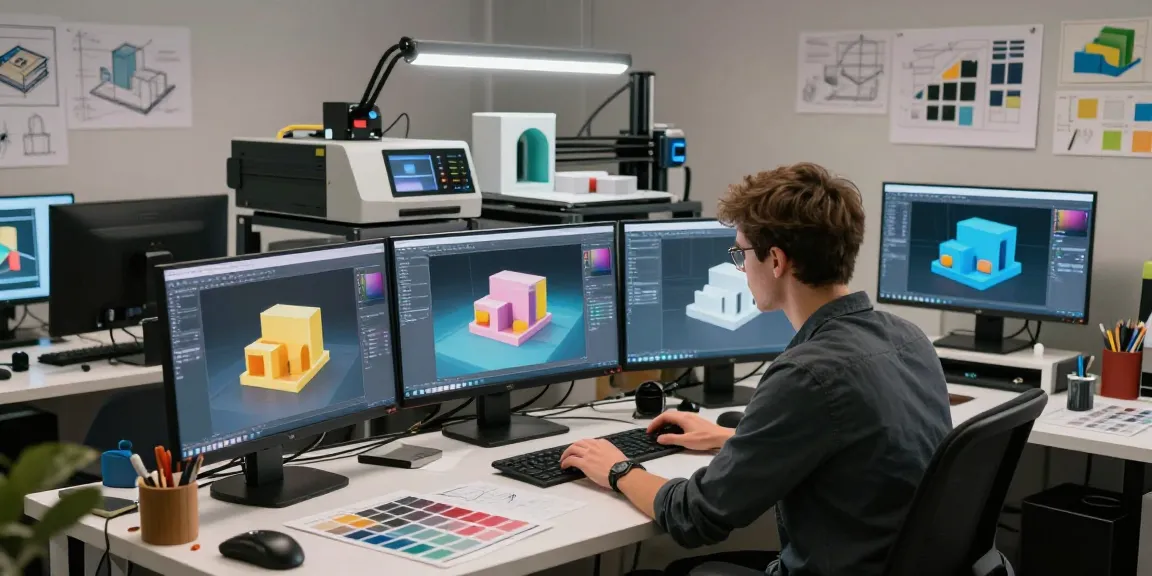
Upon launching cika4d, users are greeted with a sleek interface that prioritizes usability. The main window is divided into several panels: the viewport for 3D visualization, the object manager for hierarchy control, and the property panel for adjustments. Familiarizing oneself with these components is crucial for crafting detailed projects efficiently.
Essential Tools for Beginners
Beginners can benefit greatly from utilizing the essential tools provided by cika4d. Starting with simple shapes, users can explore modeling techniques, gradually incorporating textures and lighting. Tutorials and community forums are invaluable resources for new users, offering guidance and inspiration as they delve into the capabilities of cika4d.
Advanced Techniques in cika4d
For seasoned users, cika4d offers a range of advanced techniques that can elevate projects, allowing for more intricate designs and polished outputs.
Creating Complex Models and Textures
Creating detailed 3D models in cika4d involves a nuanced understanding of its modeling tools. Techniques such as spline modeling and the use of extrude and bevel functions can enhance the complexity of your designs. Further, applying textures using the UV mapping method allows for realistic surface finishes that add depth and character to models.
Lighting and Rendering Tips
Effective lighting is essential for achieving photorealism in 3D design. cika4d provides multiple lighting options, including area lights, spotlights, and HDRI lighting, which can create dynamic shadows and highlights. Users should experiment with light positioning, intensity, and color to enhance the mood and feel of their scenes.
Integrating Animation into cika4d Projects
Animation in cika4d can bring static models to life. Keyframing, along with the use of the timeline, allows designers to set specific movements and actions for their models. Integrating character rigging techniques can also streamline the animation process, making it easier to create fluid motions that are essential for storytelling in animations.
Common Challenges in cika4d
Despite its strengths, users may encounter challenges while working with cika4d. Understanding these common issues and their solutions can lead to a more productive design experience.
Performance Optimization Strategies
Performance can sometimes lag when working with complex scenes. To optimize cika4d’s performance, users should consider lowering the rendering quality during the modeling phase. Utilizing layers and groups can also help manage scenes more effectively by reducing the number of visible objects at one time.
Troubleshooting Common Issues
Common issues, such as crashes or unexpected behavior, can often be resolved through basic troubleshooting techniques. Checking for software updates, ensuring drivers are current, and restarting the application can resolve many problems. For persistent issues, community forums and official support channels can provide additional guidance.
Dealing with Compatibility Problems
Compatibility can sometimes pose a challenge, especially when integrating with other applications. Users should ensure that they are using compatible file formats and check for any plugin requirements that may facilitate smoother operation between different software.
Future Trends in 3D Design with cika4d
The future of 3D design is bright, with cika4d positioning itself at the forefront of emerging technologies and trends that will shape the industry.
Emerging Technologies Impacting cika4d
With the integration of AI and machine learning into design software, cika4d is expected to evolve rapidly. These technologies can automate mundane tasks, allowing artists to focus on creativity and innovation. Innovations in virtual and augmented reality are also likely to enhance the user experience by providing immersive design environments.
Predictions for 3D Design in 2026
As we look toward 2026, predictions indicate that 3D design will become increasingly collaborative and cloud-based, allowing designers from around the world to work together in real time. Moreover, customization and personalization will drive the market, with users demanding tools that cater to their unique workflows and styles.
Adapting to Industry Changes with cika4d
Staying ahead in the 3D design landscape requires adaptability. As industry standards evolve, users of cika4d should remain informed about updates and new features released by the software, ensuring that their skills and projects align with the latest trends and technologies.
What are the key benefits of using cika4d?
Using cika4d provides numerous benefits, including a user-friendly interface, powerful modeling tools, and efficient rendering capabilities, allowing users of all skill levels to produce high-quality 3D designs effectively.
How can I optimize my workflow in cika4d?
To optimize workflow in cika4d, consider utilizing keyboard shortcuts, creating custom templates, and regularly organizing your project files. Streamlining these processes can lead to significant improvements in efficiency.
What resources are available for learning cika4d?
Numerous resources are available for learning cika4d, including official documentation, video tutorials, and user forums where experts share tips and tricks. Engaging with these resources can accelerate skill development.
Are there any community forums for cika4d users?
Yes, several online platforms host community forums dedicated to cika4d users. These forums provide an avenue for sharing work, seeking advice, and discussing techniques, enhancing the collaborative aspect of the 3D design community.
What are the best practices for 3D modeling with cika4d?
Best practices for 3D modeling with cika4d include maintaining a clean project hierarchy, using modular designs for ease of manipulation, and regularly saving iterations of your work to avoid data loss. Consistency in design and attention to detail are paramount for achieving professional results.