Understanding Natural Astaxanthin: What It Is and Why It Matters
Natural astaxanthin is a powerful antioxidant derived from microalgae, primarily Haematococcus pluvialis. This potent carotenoid is often recognized for its vibrant red pigment, which is best known for giving salmon, shrimp, and flamingos their characteristic color. As the health and wellness industry continues to evolve, the intrigue around natural astaxanthin grows, prompting consumers to seek credible information about its nutritional benefits, sources, and applications. Understanding the significance of this compound allows health-conscious individuals to make informed decisions about their diets and supplement choices.
When exploring options, natural astaxanthin provides comprehensive insights into the antioxidant arena, critically impacting health and longevity.
What is Natural Astaxanthin?
Natural astaxanthin is a xanthophyll, a type of carotenoid that imparts a rich reddish color to various marine organisms. Unlike synthetic astaxanthin, which is produced from petrochemicals and has been linked with adverse health effects, natural astaxanthin originates from algae and is recognized for its bioavailability and effectiveness. This compound protects cells from oxidative stress and supports overall health by neutralizing harmful free radicals.
The Health Benefits of Natural Astaxanthin
Research into the health benefits of natural astaxanthin reveals a multitude of advantages:
- Antioxidant Properties: Astaxanthin is often considered one of the most powerful antioxidants, exhibiting the ability to be over 6000 times stronger than vitamin C in combating oxidative stress.
- Eye Health: Studies suggest that astaxanthin may help in preventing eye fatigue and enhancing visual acuity by reducing the risk of macular degeneration.
- Skin Protection: As a natural UV protector, astaxanthin may help improve skin elasticity, reduce the appearance of fine lines, and enhance overall skin health.
- Joint Health: Some studies indicate that astaxanthin can reduce inflammation and pain associated with joint conditions, such as arthritis.
- Cardiovascular Support: Natural astaxanthin may help improve cholesterol levels and blood circulation, contributing to heart health.
How Astaxanthin Compares to Other Antioxidants
When comparing natural astaxanthin with other antioxidants like vitamin E, vitamin C, or resveratrol, astaxanthin stands out due to its unique structure that allows it to span cell membranes effectively. This ability means it provides antioxidant protection both inside and outside cells, making it exceptionally potent in fighting free radicals throughout the body.
Sources of Natural Astaxanthin: Where to Find It
Food Sources Rich in Natural Astaxanthin
To incorporate natural astaxanthin into your diet, consider the following food sources:
- Salmon: Wild-caught salmon is one of the richest dietary sources of natural astaxanthin.
- Shrimp: Pink shrimp are also notable for their astaxanthin content.
- Lobster and Crab: These shellfish contain significant levels of astaxanthin, contributing to their coloration.
- Red Trout and Tilapia: These fish provide a decent amount of this antioxidant as well.
- Microalgae Supplements: Supplements derived from Haematococcus pluvialis are concentrated sources of natural astaxanthin.
Supplement Forms of Natural Astaxanthin
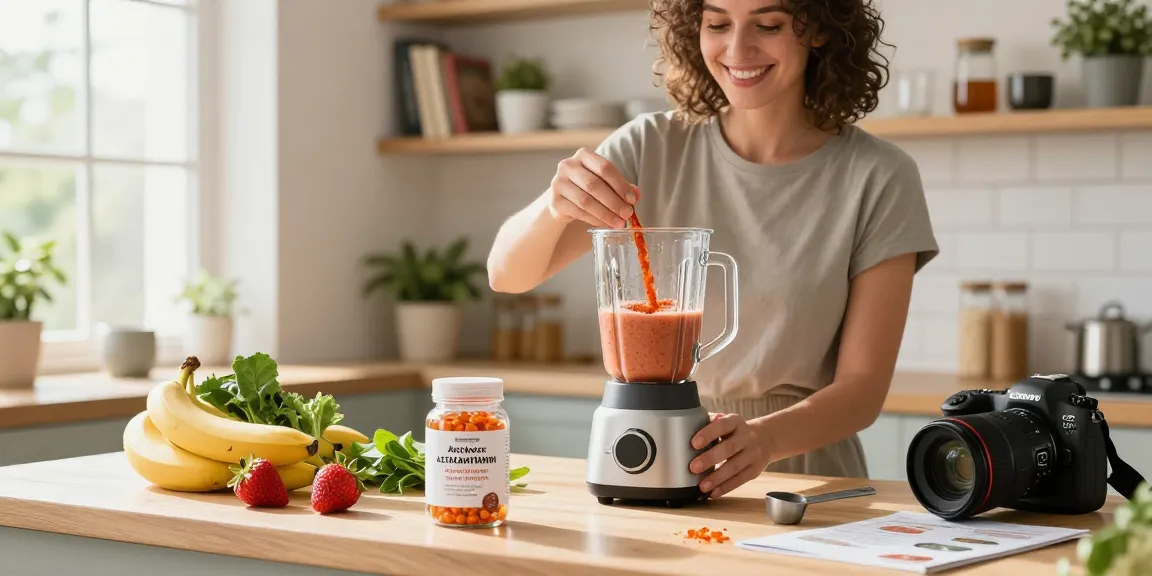
Natural astaxanthin is available in several supplement forms, including capsules, soft gels, and liquid formulations. These supplements can offer a more concentrated dose, especially for individuals seeking targeted antioxidative benefits.
Choosing the Right Source for Your Needs
When selecting astaxanthin sources, consider dietary preferences, potential allergies, and specific health goals. It's best to opt for high-quality supplements that are third-party tested for purity and potency to ensure you receive the maximum benefits.
How to Incorporate Natural Astaxanthin into Your Diet
Easy Recipes Featuring Natural Astaxanthin
Here are a few easy recipes to help you incorporate natural astaxanthin into your meals:
- Salmon Salad: Grill or bake salmon, then toss it with mixed greens, cherry tomatoes, and a lemon vinaigrette.
- Shrimp Stir-fry: Sauté shrimp with bell peppers and broccoli in olive oil with garlic for a nutrient-rich dish.
- Creamy Lobster Pasta: Prepare whole grain pasta with a creamy lobster sauce enriched with spinach for added health benefits.
Daily Intake Recommendations and Guidelines
While there is no established daily recommended intake for natural astaxanthin, studies suggest that doses between 4 to 12 mg per day are commonly used in clinical research. It’s vital to consult healthcare professionals to determine personal needs based on individual health goals and potential interactions with medications.
Tips for Maximizing Nutrient Absorption
To enhance the absorption of astaxanthin in the body, consider these tips:
- Pair with Healthy Fats: Consuming astaxanthin with sources of healthy fats (e.g., olive oil, avocado) may improve its bioavailability.
- Balanced Diet: A diet rich in various antioxidants can synergistically enhance the effects of astaxanthin.
Potential Side Effects and Considerations
Possible Side Effects of Overconsumption
While natural astaxanthin is generally regarded as safe, excessive consumption may lead to side effects such as:
- Skin Changes: A noticeable yellow or orange tint to the skin may occur at very high doses.
- Gastrointestinal Issues: Some individuals may experience digestive discomfort.
Who Should Avoid Astaxanthin?
Individuals with specific health conditions or those on certain medications should consult their healthcare provider before taking astaxanthin supplements. This precaution is particularly important for pregnant or breastfeeding women.
Safe Dosage and Usage Recommendations
In general, it's advisable to start with lower doses of astaxanthin, gradually increasing as needed while monitoring any adverse effects. Always select supplements from reputable brands that adhere to safety standards.
Future Trends in Natural Astaxanthin and Supplementation
Emerging Research and Developments
As interest in natural astaxanthin continues to grow, ongoing research is uncovering new applications and benefits, including its potential role in neuroprotection and metabolic health. Studies are also exploring its efficacy in enhancing athletic performance, especially among endurance athletes.
Predicted Market Growth and New Innovations
The natural astaxanthin market is projected to expand significantly by 2026, driven by increasing consumer awareness regarding its benefits. Innovations like improved extraction methods and enhanced formulations are likely to emerge, making astaxanthin more accessible and effective.
Informed Consumer Choices in 2026 and Beyond
As the market evolves, consumers will be empowered to make informed choices based on product transparency, ingredient sourcing, and clinical backing. Awareness of the distinctions between natural and synthetic astaxanthin will also shape purchasing decisions.
What is the best way to consume natural astaxanthin?
The optimal way to consume natural astaxanthin includes integrating it into a balanced diet with regular servings of astaxanthin-rich foods, along with considering high-quality supplements as needed for health goals.
Are there any health risks associated with natural astaxanthin?
While natural astaxanthin is safe for most people when utilized appropriately, risks may arise from overconsumption or interactions with certain medications. Consulting a healthcare provider is always advisable.
How can I find high-quality natural astaxanthin supplements?
Look for supplements that are third-party tested, offer transparent labeling, and come from reputable brands. Also, consider those sourced from Haematococcus pluvialis for the most effective natural astaxanthin.
What role does natural astaxanthin play in skin health?
Natural astaxanthin is recognized for its skin-protective properties, helping to combat UV-induced damage, enhance skin elasticity, and reduce signs of aging, making it a popular ingredient in skincare formulations.
Can natural astaxanthin improve athletic performance?
Emerging evidence suggests that natural astaxanthin may improve endurance, reduce exercise-induced oxidative stress, and enhance recovery in athletes, making it a valuable supplement in the sports nutrition industry.