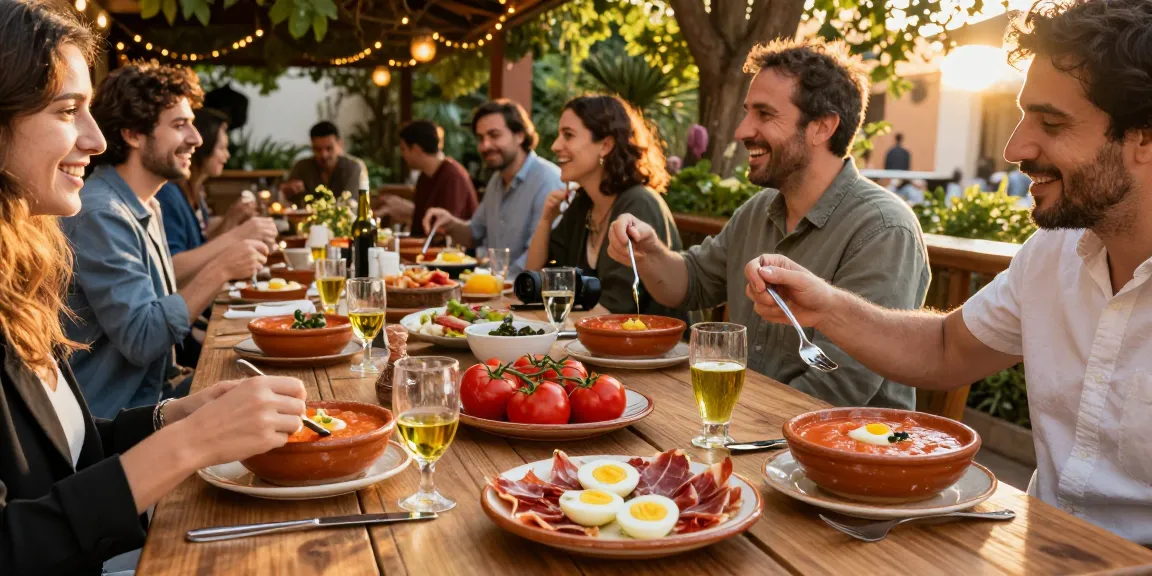
What Is Salmorejo and Why It Stands Out?
Salmorejo, a delicious creamy soup hailing from the Andalusian region of Spain, has gained popularity for its unique flavor and texture. This cold dish is often seen as a richer alternative to its more famous cousin, gazpacho. Originating from the city of Córdoba, salmorejo is enjoyed for its velvety consistency and refreshing taste, making it a perfect meal for warm weather. Its preparation involves a few simple yet high-quality ingredients, resulting in a dish that is both vibrant and satisfying. When exploring options, best salmorejo near me provides comprehensive insights into finding this delicacy in your area.
The Rich History of Salmorejo
Salmorejo has roots that date back centuries, with references to similar cold soups appearing in Spanish literature as far back as the 18th century. Initially consumed by rural communities as a way to repurpose stale bread and utilize local produce, it has evolved into a cherished gastronomic specialty. Its thick and creamy texture can be attributed to the generous use of breadcrumbs, a hallmark of traditional Andalusian cuisine. Historically, salmorejo was served as a simple sustenance dish, but today, it represents the culinary artistry of Spanish cooking.
Ingredients That Make Salmorejo Special
The beauty of salmorejo lies in its straightforward ingredients. The core components include:
- Ripe Tomatoes: The foundation of any good salmorejo, tomatoes provide the necessary sweetness and acidity.
- Bread: Traditionally, a stale white bread is used to create the creamy texture.
- Extra Virgin Olive Oil: A high-quality olive oil enhances the flavor and adds richness.
- Garlic: Adds depth and a hint of spice.
- Sherry Vinegar: Introduces a tangy note that balances the creaminess.
The combination of these simple ingredients results in a soup that is deeply satisfying and full of flavor.
Difference Between Salmorejo and Gazpacho
While both salmorejo and gazpacho are cold soups popular in Spain, they differ significantly in texture and ingredients. Gazpacho is typically thinner and contains a blend of various vegetables like cucumbers, peppers, and onions, resulting in a lighter fare. On the other hand, salmorejo’s thicker consistency is achieved by using more bread, which creates a richer mouthfeel and a smooth, creamy appearance. Furthermore, salmorejo is traditionally garnished with hard-boiled eggs and jamón serrano, adding an extra layer of flavor that gazpacho usually lacks.
How to Find the Best Salmorejo Near Me
Discovering an authentic bowl of salmorejo can be an exhilarating culinary adventure. Here are some effective strategies to help you track down the best places in your vicinity:
Top Recommended Spanish Restaurants
Searching for Spanish restaurants that prioritize authentic recipes is essential. Look for establishments that feature salmorejo prominently on their menus. These venues often pride themselves on their adherence to traditional cooking methods, ensuring that the dish is prepared with care and respect for its origins.
Online Reviews and Ratings
Sites like Yelp and TripAdvisor can be incredibly useful for gauging the quality of local Spanish eateries. Reading through customer reviews will give you insights into the best places to enjoy salmorejo and allow you to understand the dining experience offered by each establishment.
Local Spanish Food Festivals
Participating in local food festivals and events centered around Spanish cuisine can also lead you to hidden gems. These festivals often feature a range of traditional dishes, including salmorejo, and allow you to sample various offerings from multiple vendors in one place.
Top Rated Spanish Spots Known for Authentic Salmorejo
Once you have pinpointed potential locations, consider the following factors to enhance your dining experience.
Signature Dishes to Try Alongside Salmorejo
When visiting a Spanish restaurant renowned for its salmorejo, it’s a good idea to order several traditional dishes to complement your meal. Consider pairing it with:
- Patatas Bravas: Crispy potatoes with spicy tomato sauce.
- Fried Calamari: Lightly battered calamari served with aioli.
- Tortilla Española: The classic Spanish omelet featuring potatoes and onions.
Ambiance and Dining Experience
The atmosphere of a restaurant can significantly enhance your experience. Seek out places that provide a cozy, authentic Spanish ambiance, perhaps featuring traditional décor, live flamenco music, and friendly service that reflects the warm hospitality of Spain.
Special Offers and Menus
Keep an eye out for special offers or set menus that feature salmorejo alongside other traditional Spanish dishes, providing an excellent opportunity to sample a variety of flavors in one sitting.
How to Make Authentic Salmorejo at Home
Ready to bring the taste of Andalucía into your kitchen? Making salmorejo at home is easier than you might think, and it allows you to customize the ingredients to your liking.
Essential Ingredients for Your Recipe
To create a successful salmorejo, ensure you have the following ingredients:
- 4 large ripe tomatoes, peeled and chopped
- 200 grams of stale white bread, torn into pieces
- 100 ml of extra virgin olive oil
- 1 clove of garlic, minced
- 2 tablespoons of sherry vinegar
- Salt to taste
- For garnish: hard-boiled eggs and jamón serrano
Step-by-Step Preparation Instructions
- In a blender, combine the chopped tomatoes, bread, garlic, vinegar, and salt.
- Purée the mixture until smooth.
- While blending, gradually drizzle in the olive oil to emulsify and create a creamy texture.
- Chill the salmorejo in the refrigerator for at least two hours before serving.
- Serve in bowls, garnished with diced hard-boiled eggs and jamón serrano.
Tips for Perfect Creaminess
The secret to achieving the ideal creaminess lies in the quality of your ingredients and the blending technique. Use ripe tomatoes and high-grade extra virgin olive oil, and ensure that you blend slowly to incorporate air into the mixture. Additionally, adjusting the amount of bread can help you achieve your desired thickness.
Frequently Asked Questions About Salmorejo
Is salmorejo the same as gazpacho?
No, salmorejo is thicker, creamier, and uses more bread, whereas gazpacho is lighter and contains more vegetables like peppers and cucumbers.
Why is my salmorejo not creamy?
The secret to creaminess is the emulsification of the olive oil and the quality of the bread. Ensure you are using enough high-quality extra virgin olive oil and blending it slowly.
Can I make salmorejo vegan?
Yes! Simply omit the ham and egg toppings. You can substitute the toppings with diced green apples, toasted almonds, or a drizzle of high-quality olive oil for extra flavor.
Conclusion
Finding the best salmorejo near me is a journey into the heart of Spanish gastronomy. Whether you discover it at a top-tier local tapas bar or prepare it fresh in your own kitchen using vine-ripened tomatoes and premium olive oil, this dish is a testament to the power of simple ingredients. By choosing authentic venues or following traditional preparation methods, you can bring the vibrant, refreshing essence of Córdoba straight to your table.