
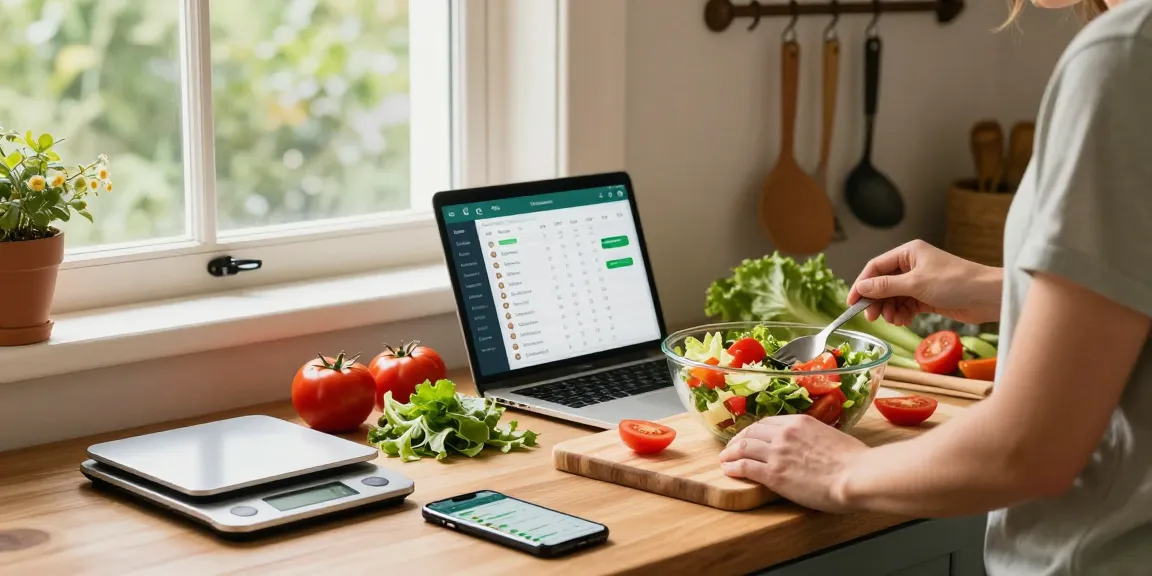
Understanding Food Tracking: The Basics
Food tracking apps have revolutionized the way individuals approach their dietary habits and health goals. By providing a streamlined method to log meals, monitor caloric intake, and analyze nutritional content, these applications empower users to make informed decisions about their eating habits. With numerous options available, finding the best food tracking app can enhance your experience and ensure you achieve your personal health objectives.
What is a Food Tracking App?
A food tracking app is a digital tool designed to help users log their food intake and monitor various nutritional components. These applications typically offer a database of food items, allowing users to search for and record meals quickly. Advanced functionalities may also include barcode scanning, voice logging, and AI-assisted meal recommendations. The end goal is to make tracking easier and provide insights that can lead to healthier decisions.
Importance of Food Tracking for Health Goals
Food tracking is crucial for anyone looking to achieve specific health outcomes, such as weight loss, muscle gain, or improved overall health. By consistently logging food intake, users can identify trends in their eating habits, understand portion sizes, and ensure they meet macronutrient and micronutrient requirements. In essence, food tracking is a powerful tool that transforms vague intentions into actionable results.
How to Choose the Best Food Tracking App
With a plethora of food tracking apps available on the market, choosing the right one can be overwhelming. Consider your individual goals, the app’s usability, its nutritional database quality, and whether it offers features that align with your lifestyle. A well-structured evaluation can lead you to the app that best complements your dietary needs.
Top Food Tracking Apps Ranked for 2026
As the landscape of food tracking apps evolves, certain applications have emerged as leaders in the industry, each catering to various user preferences and goals. Below, we outline the top food tracking apps for 2026, highlighting their unique features and user experiences.
Overview of the Best Food Tracking Apps
Our comprehensive evaluations have led to a ranking of the following apps:
- Welling: An AI-driven app that personalizes nutrition coaching based on users’ meals.
- Cronometer: Focuses on micronutrient tracking, boasting the most precise database in the category.
- MacroFactor: An expenditure-adaptive macro coach that recalibrates energy needs weekly.
- YAZIO: Offers a range of meal plans and community recipes.
- Lifesum: Combines aesthetics with functionality, ideal for beginners.
- Carb Manager: Tailored specifically for low-carb and keto dieters.
Comparing Key Features and User Experiences
When comparing food tracking apps, several key features stand out:
- Database Quality: Apps like Cronometer lead in accuracy with a more curated database.
- User Interface: Lifesum is noted for its appealing design and user-friendly interface.
- Nutrition Coaching: Welling excels in providing real-time coaching based on input meals.
- Meal Planning: Both YAZIO and Lifesum offer robust meal planning capabilities, catering to users looking to simplify their food choices.
Expert Reviews and User Ratings
User feedback plays a significant role in determining the efficacy of a food tracking app. Consistent rating patterns across platforms such as Google Play and the App Store can offer additional insights into which app might best suit your needs. Overall, most users express satisfaction with the ease of use and the range of features provided by these apps.
Effective Strategies for Using Food Tracking Apps
To maximize the benefits of food tracking, users should adopt effective strategies tailored to their individual goals. Here are some actionable tips for making the most out of your food tracking app:
Setting Up Your Profile and Tracking Goals
To start, ensure your profile accurately reflects your dietary preferences, activity level, and health goals. Setting specific, measurable, achievable, relevant, and time-bound (SMART) goals can help you stay focused and motivated throughout your tracking journey.
Logging Meals and Tracking Progress Efficiently
Regular meal logging is essential for obtaining accurate nutritional insights. Utilize features such as barcode scanning or voice logging to save time and ensure precision. Regularly review your progress to identify areas for improvement, such as increasing vegetable intake or reducing added sugars.
Interpreting Data and Making Adjustments
Understanding the data provided by your app is key to making informed adjustments to your diet. Utilize charts and feedback mechanisms within the app to assess your nutrient intake over time, allowing you to make proactive changes as needed.
Challenges and Misconceptions About Food Tracking
Despite the advantages of food tracking, several challenges and misconceptions can deter users from fully engaging with these tools.
Do Food Tracking Apps Help with Weight Loss?
Research suggests that food tracking apps can significantly aid in weight loss when used properly. Many users report that having a visual representation of their intake encourages them to make healthier choices and stay committed to their goals. However, the success often depends on the app selected and the user’s adherence to tracking.
Common Pitfalls and How to Avoid Them
Many users experience frustration due to lack of consistency or overwhelm from complex features. To avoid these pitfalls, choose an app that aligns with your lifestyle and offers ease of use. It’s essential to find a balance that allows for flexibility without sacrificing accountability.
Debunking Myths: Food Database Size vs. Quality
One common misconception is that a larger food database equates to better results. In reality, the quality and accuracy of entries are more critical than size. Applications like Cronometer emphasize verified entries, ensuring users have trustworthy data to work with.
The Future of Food Tracking Technology
The evolution of food tracking apps is ongoing, with technology continuously enhancing user experiences and outcomes. Here are some emerging trends to watch for in 2026:
Emerging Trends in Food Tracking Apps for 2026
As technology advances, integration with wearable devices and enhanced AI capabilities promise to make food tracking more intuitive and adaptive. Expect more personalized recommendations and intelligent meal planning based on user habits and preferences.
AI and Machine Learning in Food Tracking
AI is becoming a mainstay in food tracking applications. These technologies can analyze user input data to offer customized nutrition recommendations, adapting as users evolve in their dietary practices.
Potential Innovations in Nutritional Coaching
Future innovations may include virtual nutritional coaching, where users interact with AI-driven coaches tailored specifically to their dietary patterns, significantly enhancing the personalized experience of food tracking.
What are the Most Frequently Asked Questions?
As users delve into food tracking, several questions often arise. Here are a few common queries:
How Accurate are Food Tracking Apps?
The accuracy of food tracking apps can vary widely based on the app’s database and the verification processes in place. High-quality apps prioritize verified entries for better accuracy.
Can Food Tracking Apps Support Specialized Diets?
Many food tracking apps cater to specialized diets, such as vegan, keto, or paleo. Choose an app that aligns with your dietary requirements to maximize its effectiveness.
Are Food Tracking Apps Easy to Use for Beginners?
Most food tracking apps strive for user-friendly interfaces, making them accessible even to beginners. Look for features such as tutorials and community support to ease the learning curve.
What Features Should You Look for in a Food Tracking App?
Essential features to consider include an extensive food database, ease of logging, customizable meal plans, and supportive community features. Selecting an app that matches these criteria will enhance your tracking experience.
How Do Food Tracking Apps Integrate with Fitness Apps?
Many food tracking apps now offer integration with popular fitness apps to provide a complete picture of your health journey. This integration allows users to monitor their exercise and caloric balance seamlessly.


